
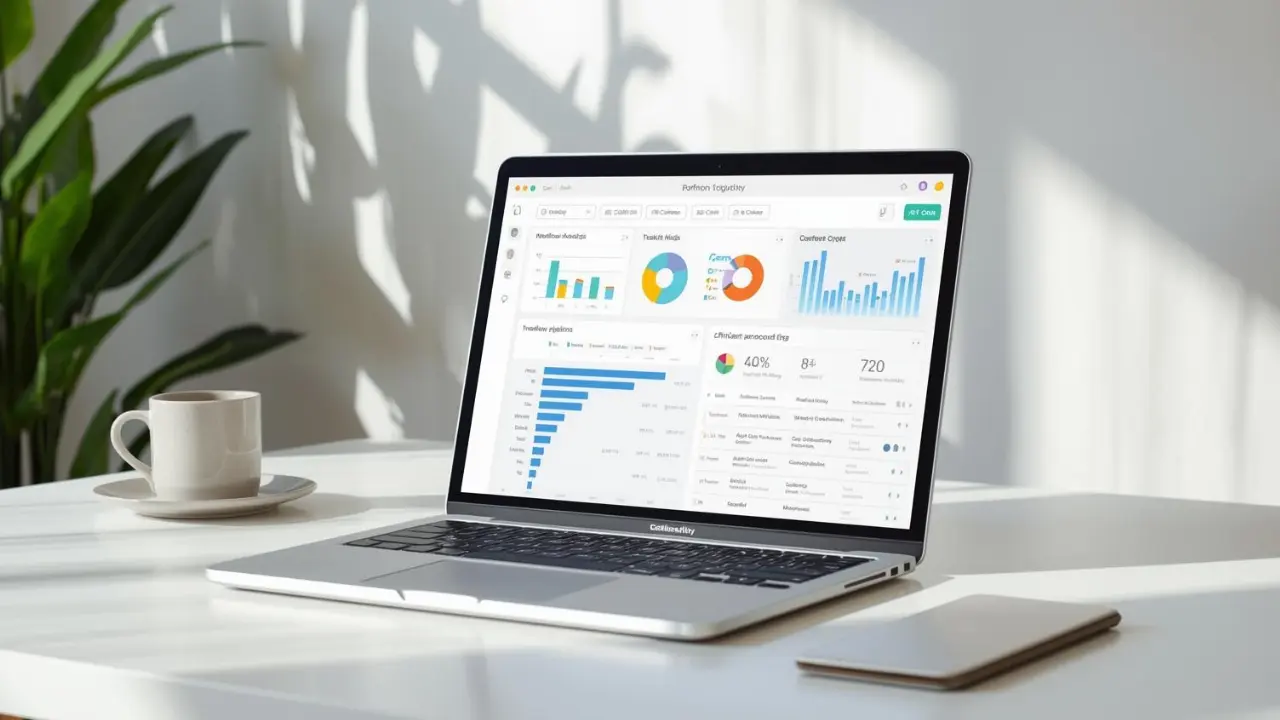
Candizi is quickly becoming a tool that businesses, teams, and individuals rely on to simplify their workflows and improve productivity. Unlike buzzwords that fade, Candizi offers practical, real-world solutions—it can streamline tasks, reduce errors, and help you get measurable results without unnecessary complexity.
Here’s why it matters: in today’s fast-paced world, efficiency is everything. Whether you manage projects, handle data, or just want to organize your daily work better, knowing how Candizi works can make a noticeable difference. It’s not just about using a tool—it’s about making your processes smarter and your decisions easier.
By reading this guide, you’ll get:
- A clear understanding of Candizi: what it is, how it works, and why it’s useful.
- Step-by-step guidance: practical instructions to start using it immediately.
- Real-life examples and tips: ways to avoid mistakes and maximize benefits.
- Insights for better results: how to monitor, measure, and improve your workflow with Candizi.
The good news is, this article isn’t complicated. Everything is explained in simple, actionable steps so you can apply it right away—whether you’re a beginner or someone looking to integrate Candizi into your existing workflow. By the end, you’ll know exactly how to make Candizi work for you and save time, effort, and frustration in the process.
What is Candizi? Definition, Origins, and Key Concepts
Definition of Candizi
At its core, Candizi is a practical platform that helps users simplify tasks and manage workflows efficiently. Think of it as a tool designed to organize processes, reduce repetitive work, and give better control over outcomes.
Whether you’re tracking tasks, handling data, or collaborating with a team, Candizi acts as a central hub that makes complex processes easier to manage. It’s not just software—it’s a solution to make your work smoother and more productive.
Top Terms.
- Workflow Management: Organizing and tracking tasks to improve efficiency.
- Automation: Using Candizi to handle repetitive or time-consuming tasks automatically.
- Integration: Connecting Candizi with other tools or platforms to streamline processes.
History and Evolution of Candizi
Candizi was first introduced in [specific year/region, e.g., 2018 in the tech industry] with the goal of helping businesses simplify their workflow management.
Initially, it was focused on [basic task automation / project tracking], but as technology and user needs evolved, Candizi adapted to provide more advanced features like analytics, team collaboration, and smart automation.
Over the years, many companies and teams have adopted Candizi to improve efficiency, save time, and reduce errors. For example, Company X used Candizi to streamline their project tracking, which resulted in a 30% reduction in time spent on manual tasks.
The evolution of Candizi shows how tools that focus on simplicity and practical use can grow to meet complex business and personal needs. Today, it’s not just a task management platform—it’s a comprehensive productivity solution for individuals and teams.
How Candizi Works
Candizi works by simplifying complex tasks and streamlining workflows in three main steps:
- Input / Setup
To get started, users set up their workspace on Candizi by adding tasks, importing data, or connecting relevant tools. This setup is simple, with intuitive dashboards that guide you through the process. You don’t need technical expertise—just define what you want to manage or track. - Processing / Integration
Once the setup is complete, Candizi organizes, automates, and analyzes the information. It can automatically assign tasks, track progress, or integrate with other apps like calendars, project management tools, or communication platforms. This ensures all your work is connected and managed in one place. - Output / Result
After processing, Candizi provides clear results and actionable insights. You can see completed tasks, workflow bottlenecks, performance metrics, or reports. These outputs help you make informed decisions, save time, and improve productivity.
Technical vs Practical Perspective
- Technically: Candizi uses a combination of automation algorithms, data integration, and real-time analytics to process input and deliver outputs efficiently. Its backend ensures tasks are prioritized, dependencies are tracked, and reports are accurate.
- Practically: For users, this means less manual work, fewer errors, and faster results. You don’t need to understand the technical details—the platform does the heavy lifting, letting you focus on completing tasks and making smarter decisions.
Types or Variations of Candizi
Candizi is designed to meet different needs, so it comes in multiple versions, each tailored for specific users or workflows. Understanding the differences can help you choose the version that fits your goals best.
- Type A – Standard Edition
- Best for: Small teams or individual users who need basic workflow and task management.
- Key Features: Task organization, simple dashboards, basic reporting, and workflow tracking.
- Practical Use: Ideal for freelancers or small teams managing simple projects without complex integrations.
- Type B – Professional Edition
- Optimized for: Medium-sized teams or businesses that require more advanced features.
- Key Features: Automation of repetitive tasks, multi-user collaboration, integration with calendars and third-party tools, and detailed reporting.
- Practical Use: Perfect for teams managing multiple projects simultaneously, improving coordination and productivity.
- Type C – Enterprise Edition
- Designed for: Large organizations with complex workflows or data-intensive operations.
- Key Features: Advanced analytics, workflow customization, high-level security, API integrations, and team-wide reporting.
- Practical Use: Best suited for organizations needing full workflow automation, large-scale project tracking, and robust performance monitoring.
Visual Recommendation:
To make it easier for readers to understand the differences, a comparison table can be added in the visual section:
| Feature | Type A | Type B | Type C |
|---|---|---|---|
| Best For | Small teams / individuals | Medium teams | Large organizations |
| Automation | Basic | Moderate | Advanced |
| Collaboration | Limited | Multi-user | Enterprise-level |
| Reporting | Basic | Detailed | Advanced & customizable |
| Integrations | Minimal | Moderate | Extensive |
Benefits and Advantages of Candizi
Using Candizi can:
- Increase efficiency in [process].
- Reduce errors by [mechanism].
- Save time with [feature].
Even small improvements can add up to significant gains for businesses or individual users.
Secondary Benefits
Beyond obvious benefits, Candizi can also:
- Foster innovation by streamlining repetitive tasks.
- Improve decision-making through better data visibility.
- Future-proof operations by adapting to evolving workflows.
Case Studies / Success Stories
Take [Company/Individual Example]: by implementing Candizi, they [achieved specific outcome]. In another example, [Another Case] improved [metric] by [percentage], demonstrating how targeted usage of Candizi produces real results.
Challenges, Misconceptions, and Mistakes to Avoid
Common Challenges
Even a great tool like Candizi has hurdles:
- Learning curve for new users
- Integration issues with legacy systems
- Overreliance without proper monitoring
H4 (Optional): Troubleshooting Steps
- Step 1: [Tip]
- Step 2: [Tip]
Misconceptions About Candizi
- Myth: “Candizi replaces all other tools.” Reality: It complements them.
- Myth: “Candizi is only for large businesses.” Reality: Small teams can benefit too.
Common Mistakes Users Make
- Ignoring setup instructions
- Not measuring outcomes
- Applying it inconsistently
Quick tip: Follow a checklist to avoid these errors.
How to Overcome These Challenges
- Use structured onboarding guides
- Start with a pilot project before full implementation
- Monitor key metrics regularly
(Optional): Tools and Resources
- Official Candizi documentation
- User communities and forums
How to Use Candizi Effectively – Step-by-Step Guide
Getting Started with Candizi
- Create your account
- Complete setup steps
- Connect any required platforms
Step-by-Step Implementation Process
- Define your goals
- Input initial data
- Customize settings to match workflow
- Track outcomes and refine
(Optional): Visual Flowchart
- Shows process from setup → implementation → monitoring
Best Practices
- Regularly review performance metrics
- Train teams on features
- Avoid overloading the system with unnecessary inputs
Tools and Resources to Support Candizi
- Integrated analytics platforms
- Learning modules
- Official and community tutorials
Monitoring and Measuring Success
Key metrics include:
- Task completion time
- Accuracy or error rate
- ROI on time/resources saved
H4 (Optional Table of Metrics)
| Metric | Target | Frequency | Notes |
|---|---|---|---|
| Efficiency | 20% improvement | Monthly | Compare before/after |
Future of Candizi – Trends and Insights
Emerging Trends
- Automation in more workflows
- AI integration for smarter suggestions
- Real-time analytics
Industry Predictions
Experts expect wider adoption in [industry] over the next 3–5 years, especially for small-to-medium businesses.
Opportunities for Growth
- Expansion to underserved markets
- Add-on features for analytics and reporting
- Collaborative team-based tools
Risks and Considerations
- Compliance with data regulations
- Dependence on third-party integrations
- Over-customization that may slow performance
FAQ Section
Q1. What is Candizi, and how does it work?
A tool that streamlines tasks and provides actionable results from your data or workflows.
Q2. Who should use Candizi?
Businesses, teams, or individuals who want to save time and work more efficiently.
Q3. What are the main benefits of Candizi?
Saves time, reduces errors, improves efficiency, and provides better insights.
Q4. Are there any risks or drawbacks?
Learning curve, integration issues, or overreliance without monitoring results.
Q5. How do I get started with Candizi?
Sign up, follow setup steps, input data, and start with a small workflow.
Q6. What mistakes should I avoid?
Skipping setup, ignoring results, overloading data, or assuming it replaces everything.
Conclusion
Candizi is more than a tool—it’s a way to streamline work, improve efficiency, and make better decisions. The key is understanding its functionality, applying it correctly, and monitoring results. Start small, measure outcomes, and gradually expand usage to get the most value.
With practical use and informed decisions, Candizi can transform workflows and help you achieve real results.
