
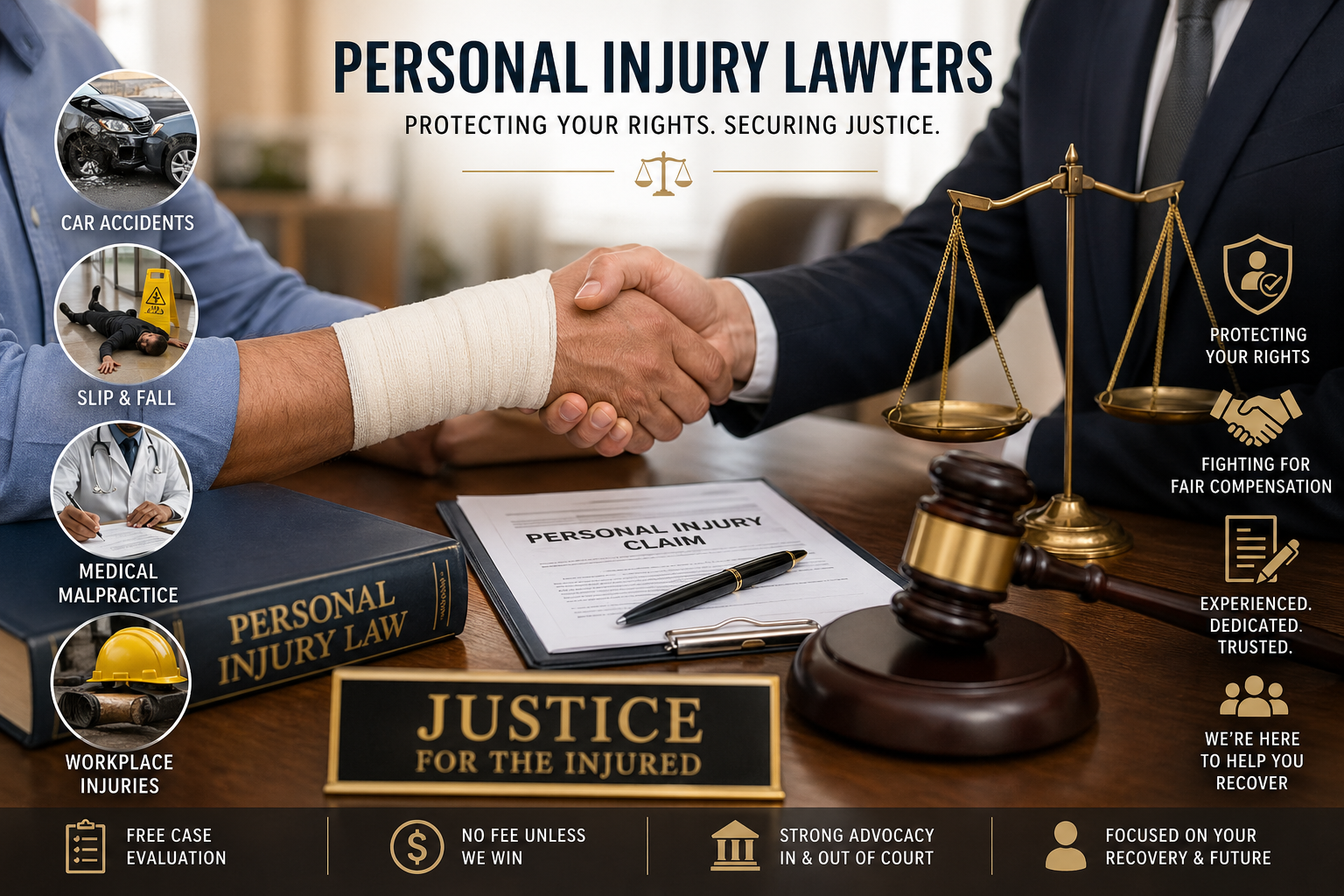
Personal injury lawyers play a crucial role in helping individuals who have suffered harm due to the negligence or wrongdoing of others. Whether it is a car accident, workplace injury, medical malpractice, or slip and fall case, these legal professionals provide the expertise needed to navigate complex legal systems and secure fair compensation. Their work not only supports victims financially but also ensures accountability and promotes safer practices in society.
Menges Law Firm provides dedicated legal representation focused on achieving fair compensation for injury victims. With a client-centered approach and strong advocacy, Menges Law Firm helps individuals navigate complex personal injury claims with confidence.
Understanding the Role of Personal Injury Lawyers
A personal injury lawyer specializes in civil law, particularly cases where an individual has been physically or psychologically injured. Their main objective is to prove that the responsible party acted negligently and caused harm. These lawyers handle a wide range of cases, including automobile accidents, product liability, medical negligence, and workplace injuries.
They start by evaluating the case, gathering evidence, interviewing witnesses, and consulting experts if necessary. Once the case is built, they negotiate with insurance companies or represent clients in court if a settlement cannot be reached. Their expertise ensures that victims are not taken advantage of by powerful insurance corporations or legal loopholes.
Importance of Legal Representation After an Injury
After an accident, victims often face physical pain, emotional stress, and financial burden due to medical bills and lost income. During such a challenging time, having a personal injury lawyer becomes essential. These professionals handle the legal complexities so clients can focus on recovery.
Without proper legal representation, victims may accept low settlement offers or fail to understand their rights. Personal injury lawyers ensure that compensation covers all damages, including medical expenses, lost wages, pain and suffering, and future rehabilitation costs. Their experience allows them to accurately assess the value of a claim and fight for maximum compensation.
Types of Personal Injury Cases
Personal injury law covers a broad spectrum of cases. One of the most common types is car accidents, where negligence such as reckless driving or violation of traffic laws leads to injuries. Another significant category is workplace injuries, which may involve unsafe working conditions or employer negligence.
Medical malpractice cases arise when healthcare professionals fail to provide standard care, resulting in harm to patients. Slip and fall accidents also fall under personal injury law, often caused by unsafe premises. Additionally, product liability cases involve defective or dangerous products that cause injury to consumers.
Each type of case requires specific legal knowledge and strategies, making it important to choose a lawyer experienced in the relevant area.
The Process of Filing a Personal Injury Claim
Filing a personal injury claim involves several steps. The first step is seeking immediate medical attention and documenting injuries. Medical records serve as critical evidence in proving the extent of harm. The next step is consulting a personal injury lawyer who evaluates the case and advises on the best course of action.
The lawyer then gathers evidence such as accident reports, witness statements, photographs, and expert opinions. A demand letter is sent to the responsible party or their insurance company, outlining the claim and compensation sought. Negotiations follow, and if a fair settlement is not reached, the case may proceed to court.
Throughout this process, the lawyer acts as an advocate, ensuring that the client’s rights are protected at every stage.
Negotiation and Settlement Strategies
Most personal injury cases are resolved through settlements rather than trials. Skilled personal injury lawyers use negotiation techniques to secure favorable outcomes for their clients. They understand how insurance companies operate and are prepared to counter low settlement offers.
Effective negotiation involves presenting strong evidence, calculating accurate damages, and demonstrating the potential consequences of going to trial. Lawyers also advise clients on whether to accept a settlement or pursue litigation based on the strength of the case and expected outcomes.
A well-negotiated settlement can save time, reduce stress, and provide quicker financial relief for the injured party.
Court Representation and Litigation
When negotiations fail, personal injury lawyers take the case to court. Litigation involves filing a lawsuit, presenting evidence, questioning witnesses, and making legal arguments before a judge or jury. This stage requires strong advocacy skills, in-depth legal knowledge, and thorough preparation.
Court proceedings can be complex and time-consuming, but an experienced lawyer ensures that the client’s case is presented effectively. They aim to prove liability and demonstrate the full extent of damages suffered by the victim.
Winning a court case can result in higher compensation, but it also carries risks, making the lawyer’s expertise crucial in deciding the best approach.
Qualities of a Good Personal Injury Lawyer
Choosing the right personal injury lawyer is essential for a successful case. A good lawyer should have strong communication skills, allowing them to clearly explain legal processes and keep clients informed. Experience and specialization in personal injury law are also important factors.
Additionally, a reputable lawyer should have a track record of successful cases and positive client reviews. Compassion and understanding are equally important, as they help build trust and ensure that clients feel supported throughout the legal journey.
Transparency in fees and a willingness to work on a contingency basis—where payment is only made if the case is won—are also signs of a reliable lawyer.
Challenges Faced in Personal Injury Cases
Personal injury cases often come with challenges such as proving negligence, dealing with uncooperative insurance companies, and gathering sufficient evidence. In some cases, the opposing party may attempt to shift blame onto the victim, complicating the case further.
Delays in legal proceedings can also be frustrating for clients seeking quick resolution. However, an experienced personal injury lawyer can overcome these challenges through strategic planning, thorough investigation, and persistent advocacy.
Understanding these challenges helps clients set realistic expectations and trust the process guided by their legal representative.
Compensation and Damages in Personal Injury Cases
Compensation in personal injury cases is categorized into economic and non-economic damages. Economic damages include tangible losses such as medical bills, rehabilitation costs, and lost wages. Non-economic damages cover pain and suffering, emotional distress, and loss of quality of life.
In some cases, punitive damages may be awarded to punish the responsible party for extreme negligence or intentional misconduct. Personal injury lawyers work to ensure that all types of damages are considered when calculating compensation.
Accurate assessment of damages is crucial to ensure that victims receive fair and adequate financial support for their recovery and future needs.
The Impact of Personal Injury Lawyers on Society
Beyond individual cases, personal injury lawyers contribute to broader societal benefits. By holding negligent parties accountable, they promote safer practices in industries such as healthcare, transportation, and manufacturing. Their work encourages organizations to maintain higher standards and prioritize safety.
They also play a role in educating the public about legal rights and responsibilities. Through their efforts, victims gain access to justice and financial support, helping them rebuild their lives after traumatic experiences.
This impact highlights the importance of personal injury lawyers not just as legal professionals but as advocates for fairness and accountability.
Conclusion
Personal injury lawyers are essential in ensuring justice for individuals who have suffered harm due to negligence. From handling legal complexities to negotiating settlements and representing clients in court, their role is both challenging and impactful. They provide much-needed support during difficult times, helping victims recover financially and emotionally.
Choosing the right personal injury lawyer can make a significant difference in the outcome of a case. With the right expertise and dedication, these professionals ensure that justice is served and that victims receive the compensation they deserve.
